
A little paddle care goes a long way. Keep the face clean, the grip secure, and the paddle away from extreme temperatures. You will get a more consistent feel and notice meaningful wear before it becomes a surprise during play.
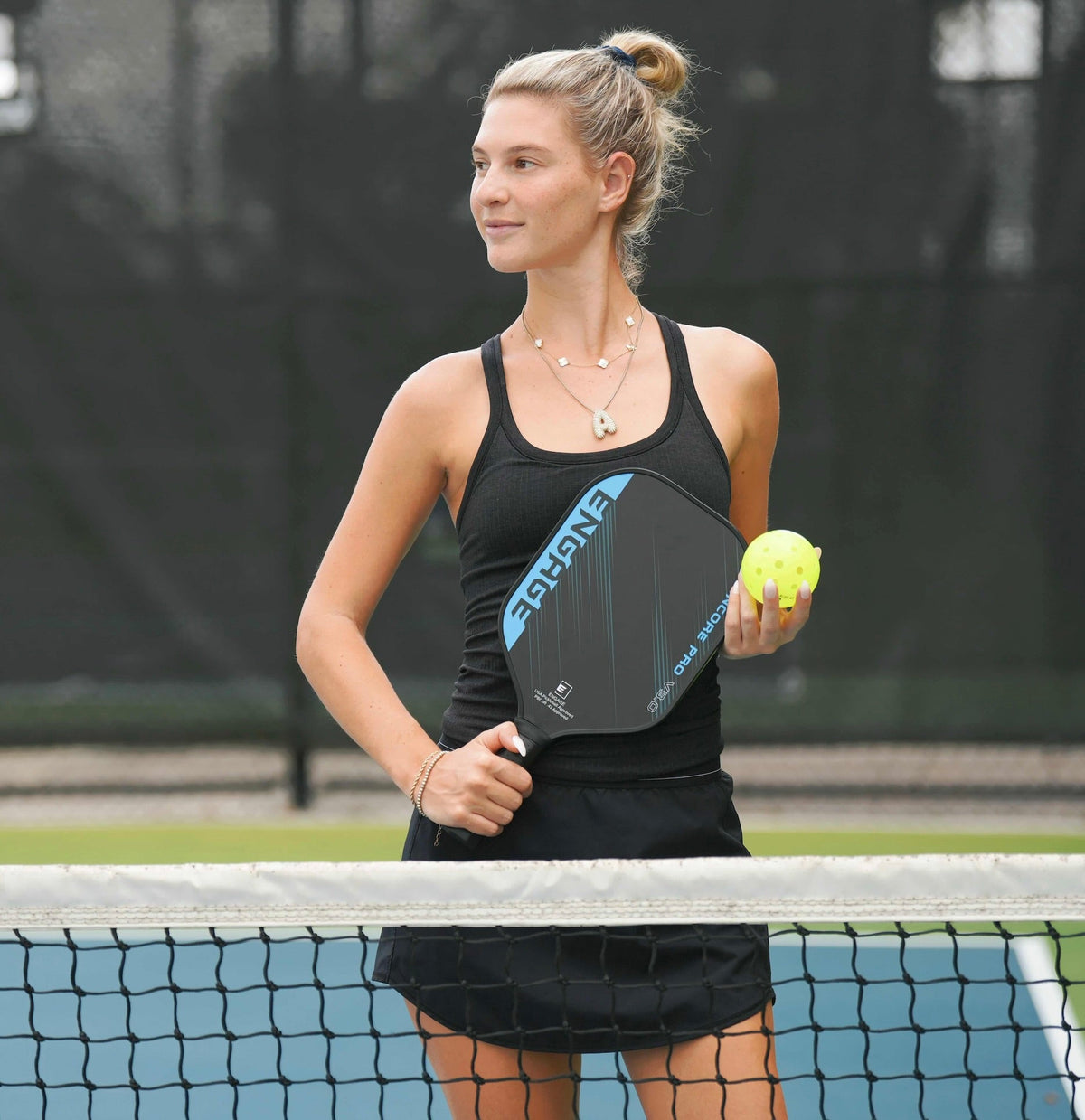
A simple paddle-care routine
Wipe the face
Use a soft, slightly damp microfiber cloth after dusty or sweaty sessions. Dry the surface before storing it.
Check the edge guard
Look for separation, deep impact damage, or movement around the rim. Cosmetic scuffs are normal.
Keep the grip secure
Replace a slick, compressed, or shifting grip before it forces you to squeeze harder than normal.
Store it indoors
Use a dry, temperature-stable space. Avoid a hot car, freezing garage, or prolonged direct sun.
Cleaning do's and don'ts
Do
- Use a clean microfiber cloth.
- Follow the paddle manufacturer's care instructions.
- Use a paddle-face cleaner only when it is appropriate for that surface.
- Let the paddle dry before putting it in a cover or bag.
Don't
- Soak the paddle or run water into the edge guard.
- Use household solvents, abrasive pads, or aggressive scrubbing.
- Leave it in extreme heat or cold.
- Keep playing with a loose grip, shifting handle, or structural crack.
Carbon paddle cleaner
A dedicated cleaner can help lift ball residue from compatible raw-carbon surfaces. Check the paddle maker's guidance before using it on painted, coated, fiberglass, or textured surfaces.
View the carbon paddle cleanerWhere to inspect your paddle
When should you replace a paddle?
- The face has a structural crack, a soft area, or damage that changes ball response.
- The edge guard or handle is loose and cannot be safely corrected.
- The paddle sounds or feels different across the face compared with its normal response.
- You have lost confidence in predictable contact after ruling out the ball, grip, and normal timing issues.
- Your playing needs changed and the current shape, handle, balance, or core no longer fits your game.
Current replacement options to compare
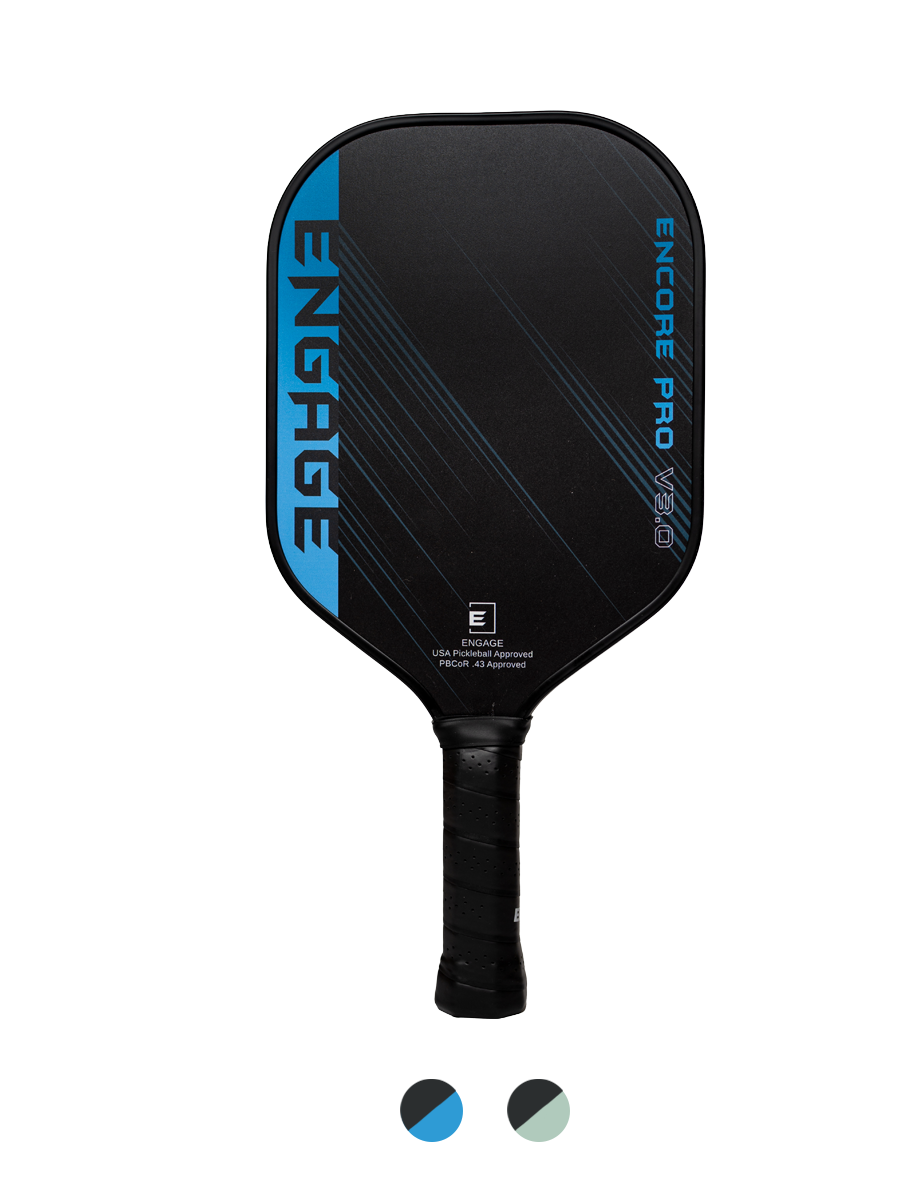
Engage Encore Pro V3.0
A forgiving 16mm option with balanced control, power, spin, and responsive feel.
View paddle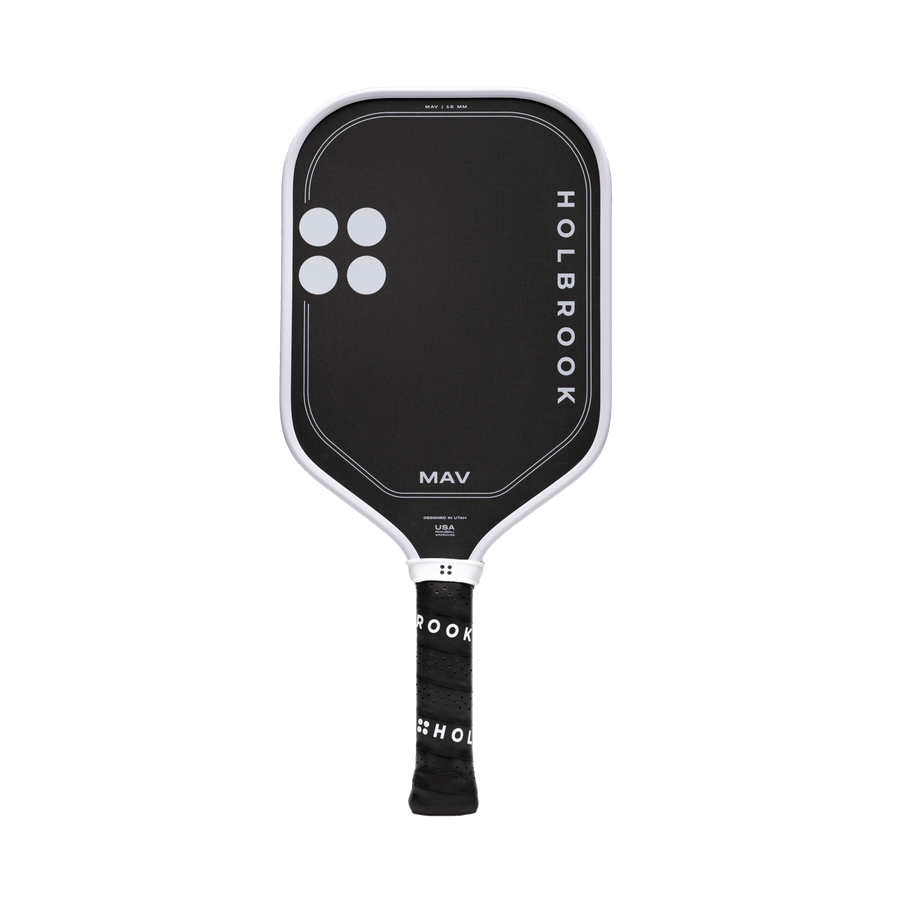
Holbrook Mav
A balanced all-court paddle with a 16mm core and perimeter stability.
View paddle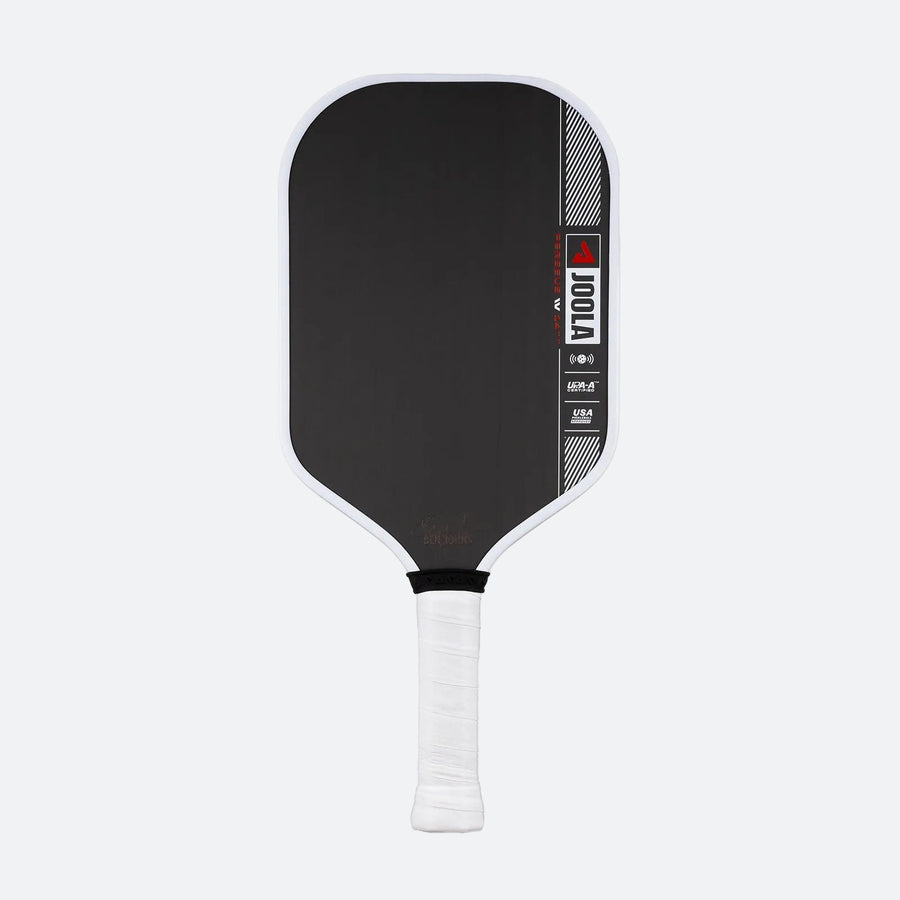
JOOLA Perseus Pro IV
An elongated blend of power, control, forgiveness, and optimized weight distribution.
View paddle


